Adopción tecnológica en microempresas vitivinícolas: Evidencia del modelo TOE del Valle de Guadalupe
Technological adoption in wine microenterprises: TOE model evidence from Valle de Guadalupe
Lino Meraz-Ruiz
Universidad Autonoma de Baja California (México)
https://orcid.org/0000-0002-7724-9176
Andrés Antonio Luna-Andrade
Universidad Autonoma de Baja California (México)
https://orcid.org/0000-0002-3432-5474
Jorge Carlos Morgan-Medina
Universidad Autonoma de Baja California (México)
https://orcid.org/0000-0003-3536-9986
Omar Alejandro Pérez-Cruz
Universidad de Colima (México)
https://orcid.org/0000-0003-3367-8259
RESUMEN
El objetivo de esta investigación fue identificar los factores del modelo de organización tecnológica que se correlacionan con la intención de adopción de sistemas de información (SI) en micro, pequeñas y medianas del vino del Valle de Guadalupe (México). El estudio realizado fue cuantitativo, con una metodología de ecuaciones estructurales con mínimos cuadrados parciales (SEM-PLS). Se aplicó un cuestionario TOE (Entorno de Organización Tecnológica) a una muestra representativa de 25 MiPymes del Valle de Guadalupe. Los hallazgos muestran que la intención de adopción tecnológica se correlaciona con los factores de presión de los clientes (PCL), presión de la competencia (PCO), ventaja relativa percibida (VP) y visibilidad (VI) de los sistemas tecnológico de las empresas estudiadas. En este sentido, esta investigación contribuye a la información empírica sobre la industria del vino y del gobierno de la región, para establecer programas que fomenten el trabajo colaborativo y en red de las MiPymes de la región. Asimismo, los resultados obtenidos contienen conocimiento importante sobre los desafíos que enfrentan las empresas del vino, lo que resulta de utilidad para los directivos y propietarios de empresas de la región del Valle de Guadalupe.
PALABRAS CLAVE
Organización tecnológica; pequeñas y medianas empresas; industria vitivinícola; México.
ABSTRACT
The objective of this research was to identify the factors of the technological organization model that are correlated with the intention to adopt information systems (IS) in micro, small and medium-sized wine companies in Valle de Guadalupe (Mexico). The study carried out was quantitative, with a methodology of structural equations with partial least squares (SEM-PLS). A TOE (Technological Organization Environment) questionnaire was applied to a representative sample of 25 MSMEs from Valle de Guadalupe. The findings show that the intention to adopt technology is correlated with the factors of customer pressure (PCL), competitive pressure (PCO), perceived relative advantage (PV) and visibility (VI) of the technological systems of the companies studied. In this sense, this research contributes to the empirical information on the wine industry and the government of the region, to establish programs that promote collaborative work and networking of MSMEs in the region. Likewise, the results obtained contain important knowledge about the challenges faced by wine companies, which is useful for managers and owners of companies in the Valle de Guadalupe region.
KEYWORDS
Technological organization; small and medium enterprises; wine industry; Mexico.
Clasificación JEL: M1; M15.
MSC2010: 91B42, 91B50, 62P20.
1. INTRODUCTION
A key challenge for micro, small, and medium-sized enterprises (MSMEs) is the lack of financial capacity to acquire technology, which limits their ability to manage information flows and meet business needs such as accounting, logistics, and customer relations (Gómez, 2013). However, information systems (IS) provide practical advantages, enabling managers to control and optimize resources while strengthening competitiveness (Ghobakhloo et al., 2022; Jiménez, 2017; Meraz et al., 2023a; Quispe-Otacoma et al., 2017; Sancha et al., 2015; Zamani, 2022). Recent studies emphasize that technology adoption, particularly within the framework of Industry 4.0, represents a critical pathway for SMEs to remain competitive and enhance knowledge of customers, competitors, suppliers, and value chains, although gaps remain between theoretical models and organizational practice (Ghobakhloo et al., 2022; Zamani, 2022). In this context, the aim of this study is to identify the factors of the technological-organization-environment (TOE) model that are correlated with the intention to adopt IS in micro, small, and medium-sized wine companies in Valle de Guadalupe (Mexico).
In the context of Valle de Guadalupe’s wine industry, technology adoption in MSMEs has been linked to infrastructure use, online activities, and digital communication. Meraz et al. (2015) found that technologies such as PCs, Wi-Fi, and internet services are primarily used for information searches, supplier and customer communication, logistics, and banking, while social media enhances business visibility and competitiveness (Vu et al., 2022; Wardati & Mahendrawathi, 2019). Beyond infrastructure, employees’ digital skills significantly influence the adoption of information systems, especially in the post-COVID-19 era, where sustainable technology use fosters trust and strengthens perceptions of usefulness and relative advantage (Pérez-Cruz, 2023; Sharma et al., 2022; Tenakwah et al., 2022). These findings align with the theory of perceived usefulness, which highlights how training, system characteristics, and the evaluation of benefits versus risks shape the intention to adopt technology (Ajzen, 1991).
Beyond financial and human capital limitations, organizational culture, leadership, and the external institutional environment significantly shape technology adoption in MSMEs. In small and family-owned enterprises, such as those in Valle de Guadalupe’s wine sector, centralized decision-making makes business owners’ perceptions crucial, with proactive leadership fostering innovation while resistance hinders adoption (Baabdullah et al., 2019; Islam et al., 2023). At the same time, external factors such as government policy and institutional support play a pivotal role, as effective policy frameworks and digital transformation programs can reduce barriers and accelerate adoption (Bracci et al., 2022). However, in Mexico, fragmented coordination between regional agencies and the specific needs of wine-sector MSMEs has limited progress, highlighting the need for context-specific policies that not only provide incentives but also strengthen capacity building, networking, and tailored digital strategies (Sandoya et al., 2024).
Evolving market dynamics and rising customer expectations are pressuring MSMEs to innovate through digital platforms such as e-commerce, CRM systems, and social media analytics, which enable transparency, customization, and real-time interaction (Tortorella et al., 2022). In wine regions like Valle de Guadalupe, where authenticity and experiential tourism are central, digital storytelling and immersive tools-such as virtual tastings or augmented reality labels-create differentiation and added value, while failure to adopt them risks reputational loss (Piras, 2024). At the same time, inter-organizational collaboration and knowledge-sharing networks have become key enablers of digital adoption, reducing uncertainty, fostering resource access, and supporting collective innovation (Lim et al., 2025). Strengthening cooperative ecosystems among wineries, technology providers, and academic institutions is therefore essential to advancing sustainable digital transformation and enhancing the global competitiveness of the region’s wine sector.
2. THEORETICAL FRAMEWORK
Technological adoption has been identified as a critical factor influencing employee capability, customer and competitive pressures, system providers, visibility, perceived relative advantage, and ultimately the intention to adopt information systems (Barhate et al., 2022; Nabila et al., 2022; Park et al., 2022; Widodo et al., 2022). However, despite the global evidence on MSMEs, limited research exists in Mexico, particularly regarding wineries in Valle de Guadalupe, the country’s main wine-producing region, where wine culture and enotourism attract over 160,000 visitors annually and contribute to socio-economic development through gastronomy, cultural events, and employment opportunities (Hernández et al., 2022; Meraz-Ruiz et al., 2023a). In this context, prioritizing technological integration is essential, as it strengthens competitiveness, sustainability, and overall organizational performance (Abed, 2020; Chouki et al., 2020).
Despite these well-documented benefits, many MSMEs in the Valle de Guadalupe face persistent challenges related to limited financial resources, lack of digital infrastructure, and insufficient technical knowledge, which hinder the effective implementation of information systems. These barriers are particularly evident in small-scale wineries and wine-related businesses that often operate informally or with minimal organizational structure. Furthermore, the seasonal nature of enotourism and the fluctuating demand for wine products contribute to uncertainty in long-term technology investments (Dressler & Paunovic, 2021). Addressing these obstacles requires not only a deeper understanding of the contextual factors influencing technology adoption but also targeted strategies that consider the specific needs and constraints of regional MSMEs (Mola & Roffia, 2025). Therefore, empirical studies focusing on technology adoption in this sector are critical for identifying enablers and inhibitors that could inform public policy and business development programs tailored to the wine industry in Mexico.
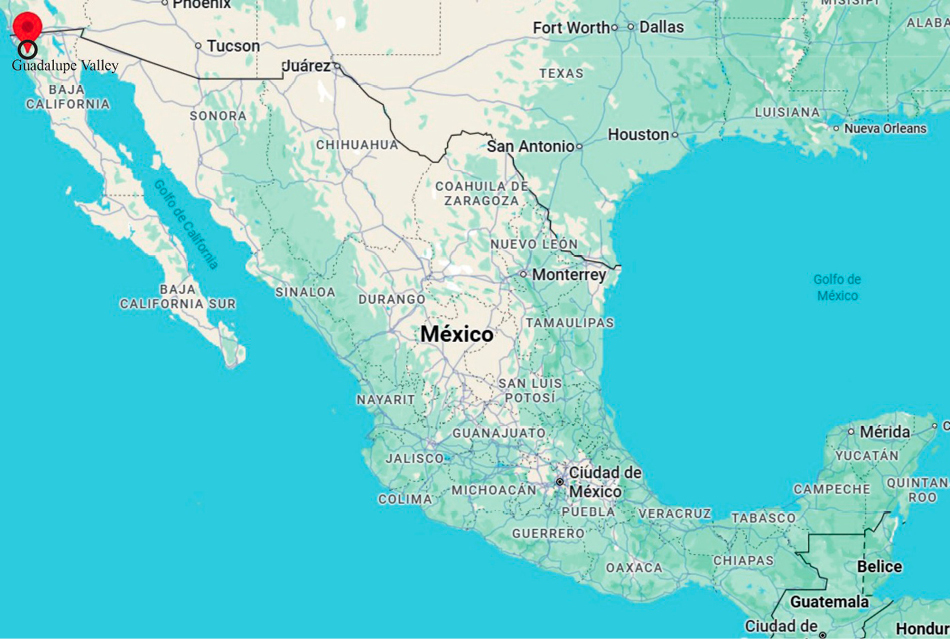
Figure 1. Map of Valle de Guadalupe in Baja California, Mexico
Source: author’s production
Valle de Guadalupe has become Mexico’s leading wine hub, combining its strong viticultural heritage with a growing emphasis on sustainability, agrotourism, and digital transformation (Novo et al., 2019). The region’s dense concentration of MSMEs contributes substantially to economic development, and the adoption of advanced technologies-ranging from precision agriculture to digital marketing platforms-has become essential for improving efficiency, product quality, and customer engagement while reducing environmental impacts (Cancino-Opazo, 2020). As such, Valle de Guadalupe serves as a case study of how regional clusters can leverage innovation and technology adoption to enhance competitiveness and ensure long-term sustainable growth in the global wine market.
The increased use of digital tools in Valle de Guadalupe is also driven by the need to maintain competitiveness amid growing international and domestic demand. Research shows that technology adoption facilitates access to new markets, improves customer engagement, and strengthens brand positioning through enhanced digital visibility (Velázquez et al., 2021). Many MSMEs in the region have embraced e-commerce, social media marketing, and customer relationship management (CRM) systems, recognizing these platforms as essential for engaging a diverse and tech-savvy consumer base. This digital transformation not only expands market reach but also provides valuable data insights that inform strategic decision-making, enabling wineries to tailor offerings and enhance consumer experiences.
Despite these advances, MSMEs in Valle de Guadalupe face several barriers in fully leveraging technology. Limited financial resources, lack of skilled personnel, and insufficient awareness about the benefits of technological tools often delay or hinder adoption (Dibbern et al., 2024). Moreover, cultural factors and traditional business models prevalent in the region can create resistance to change, especially among older enterprises. These challenges necessitate tailored intervention programs that include training, financial incentives, and advisory services to support the digital transition. Addressing these barriers is crucial to ensure equitable technology diffusion and to prevent a digital divide that could marginalize smaller producers.
Collaborative efforts among wineries, technology providers, academic institutions, and government agencies have proven effective in promoting technology adoption in Valle de Guadalupe. Initiatives that foster knowledge exchange, co-innovation, and shared access to technological resources contribute to building a resilient and innovative ecosystem (Luna-Andrade et al., 2025). Government programs focusing on digital literacy, infrastructure development, and financial support have further catalyzed this process. These collaborations are pivotal in aligning regional development goals with global sustainability agendas and enhancing the capacity of MSMEs to compete internationally.
Looking ahead, the continued digital transformation of the Valle de Guadalupe wine industry will likely accelerate, driven by technological advancements and evolving market demands. Future research should focus on longitudinal studies that assess the impact of technology adoption on firm performance and regional development over time (Meraz-Ruiz et al., 2023b). Additionally, exploring the role of emerging technologies such as blockchain for supply chain transparency and artificial intelligence for predictive analytics could provide further insights. Understanding the socio-cultural dimensions of technology acceptance in the region will also be essential to designing effective interventions that foster inclusive and sustainable growth.
In this context, the present research seeks to identify and analyze the factors embedded within the Technology-Organization-Environment (TOE) framework that are associated with the intention to adopt information systems (IS) among micro, small, and medium-sized wine enterprises (MSMEs) located in the Valle de Guadalupe, Mexico. This region is not only one of the most important wine-producing areas in the country but also a strategic location for observing how small-scale producers engage with technological innovation in a competitive and evolving environment. By applying a quantitative approach grounded in structural equation modeling, this study aims to provide empirical evidence on the relevance of technological, organizational, and environmental dimensions in the decision-making process related to IS adoption. The next section describes the methodological design of the study, including the sampling process, instrument development, and data analysis techniques. Section three presents empirical results, testing the proposed hypotheses and highlighting the significant relationships among variables. Finally, section four offers a critical discussion of the findings, outlines the theoretical and practical implications for wine entrepreneurs and policymakers, acknowledges the limitations of the study, and suggests potential directions for future research to deepen the understanding of digital transformation processes in the wine sector.
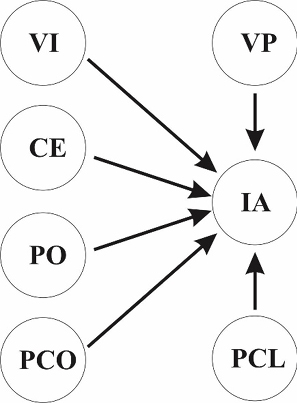
The Technology-Organization-Environment (TOE) framework, originally proposed by Tornatzky and Fleischer (1990), provides a comprehensive lens to analyze the determinants of technology adoption by considering internal and external contextual factors. Within the technological dimension, variables such as visibility (VI) and perceived relative advantages (VP) are crucial, as they reflect how microenterprises assess the tangible benefits and transparency of adopting new systems in enhancing productivity and competitiveness (Abed, 2020; Chouki et al., 2020). The organizational context incorporates employee capability (CE), which emphasizes the role of skilled human capital in facilitating the integration of information systems, highlighting the importance of training and knowledge for successful adoption (Barhate et al., 2022; Widodo et al., 2022). In parallel, the environmental dimension includes customer pressure (CP), competition pressure (PCO), and the influence of information system providers (PO), all of which drive wineries to adapt technologically to meet consumer expectations, remain competitive in a globalized wine market, and respond to the technological support offered by suppliers (Nabila et al., 2022; Park et al., 2022). These three dimensions jointly influence adoption intention (IA), which is central to understanding whether winery microenterprises in the Valle de Guadalupe are willing and able to integrate digital tools into their processes. Considering that the region is recognized as Mexico’s leading wine cluster and a hub of enotourism, the TOE framework allows for examining how the interplay of organizational readiness, technological advantages, and external pressures shapes the strategic adoption of innovations to strengthen competitiveness and sustainability in this dynamic sector (Meraz-Ruiz et al., 2023a; Hernández et al., 2022)
3. METHODOLOGICAL ASPECTS
This exploratory study was conducted in Valle de Guadalupe, Baja California, Mexico, a region with a high concentration of wine-producing microenterprises (Meraz & Ruiz, 2016). The research instrument was designed under the Technology-Organization-Environment (TOE) framework (Tornatzky & Fleischer, 1990), which examines how technological, organizational, and environmental factors influence adoption innovation, and has been widely applied in studies of information technology adoption (Jia et al., 2023; Zheng, 2014). Data were collected through a structured survey administered to six owners and nineteen managers of local wineries, using a five-point Likert scale to measure perceptions and practices related to information technologies and systems, adoption factors, and company characteristics, complemented by sociodemographic data of respondents (Hernández et al., 2010). Content validity of the instrument was ensured through expert review, reinforcing the relevance of the TOE model’s three contextual dimensions in analyzing technology adoption within the wine sector.
Table 1. Dimensions, definitions, and items used in the research
|
Dimension |
Definition |
Items |
|---|---|---|
|
Employee Capability (CE) |
Qualified human resources to manage technological innovation to be adopted |
7. Our employees are qualified to learn how to use information systems. |
|
17. Our employees would be capable of using information systems to improve company processes. |
||
|
Customer Pressure (CP) |
Demand from customers for the company to use information systems. |
4. Our customers expect our company to adopt information systems. |
|
14. Our customers demand that we establish relationships with them through information systems. |
||
|
Competition Pressure (PCO) |
Pressure in the business environment arises from the threat of losing competitive advantage |
5. Our decision to adopt information systems would be strongly influenced by what competitors in the industry are doing. |
|
15. Our company is under pressure to adopt information systems to not lose competitive advantage. |
||
|
27. Our company is pressured to adopt information systems due to competition. |
||
|
SI Providers (PO) |
Availability of information system providers that offer adequate support |
6. We have information technology providers specializing in the wine sector. |
|
16. Information technology providers would provide us with adequate technical support for the use of information systems in our company. |
||
|
Visibility (VI) |
The extent to which the outcomes of an innovation are visible to others |
10. In my company, the use of information systems can be observed. |
|
20. I have seen the use of information systems in other wineries. |
||
|
30. On several occasions, I have had the opportunity to observe the use of information systems. |
||
|
Perceived Relative Advantage (VP) |
The extent to which an innovation is perceived as better than what it replaces. |
12. Information systems help market products and/or services in a better way. |
|
22. Information systems help improve customer relationships. |
||
|
32. Information systems increase company productivity. |
||
|
Adoption Intention (IA) |
Measure of the strength of the will to engage in a behavior; in this case, using information systems in the company. |
3. Our company has plans to use information systems in the future. |
|
13. Our company is actively trying to adopt information systems. |
Source: author’s production
Figure 2 illustrates the relationship between the factors and the measurement instrument items presented in the previous table.
Figure 2. Research factor model
Source: author’s production
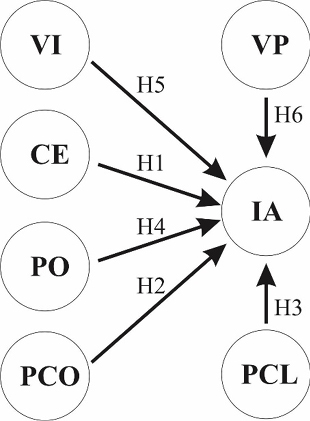
Consequently, the six hypotheses that define the causal relationships among the core variables of the study are presented in the following section. These hypotheses are grounded in the Technology-Organization-Environment (TOE) theoretical framework and are designed to explore the influence of technological, organizational, and environmental factors on the intention to adopt information systems (IS) in the context of micro, small, and medium-sized wine enterprises in the Valle de Guadalupe. To empirically test these hypotheses, the study employed Structural Equation Modeling (SEM) using the Partial Least Squares (PLS) approach, which is particularly suitable for exploratory research and models with complex relationships and small to medium sample sizes. The SmartPLS software developed by Ringle et al. (2020) was used for data analysis, enabling the estimation of both the measurement and structural models. Prior to the SEM analysis, a Pearson correlation analysis was performed to identify and reduce redundant or weakly correlated variables, ensuring the robustness of the constructs and the clarity of the relationships among them. Figure 3 visually summarizes the proposed model, depicting the hypothesized relationships between the constructs and providing a conceptual foundation for the subsequent statistical testing.
H1:The intention to adopt information systems is positively related to employee competence.
H2:The intention to adopt information systems is positively related to customer pressure.
H3:The intention to adopt information systems is positively related to competitive pressure.
H4:The intention to adopt information systems is positively related to suppliers of specialized information systems in the wine sector.
H5:The intention to adopt information systems is positively related to visibility.
H6:The intention to adopt information systems is positively related to perceived relative advantage.
Figure 3. Factors and Research Hypotheses Model
Source: author’s production
The sampling process for this study was designed to capture the perspectives of key decision-makers within micro and small wineries operating in the Valle de Guadalupe, Baja California, given their direct influence on the adoption of technological innovations. A purposive sampling technique was employed, selecting participants based on their role and expertise in managing or owning wine businesses, ensuring that respondents possessed the knowledge and responsibility required to provide accurate insights into organizational practices and technology adoption (Hernández et al., 2010). Specifically, the final sample consisted of six winery owners and nineteen managers, reflecting a balance between strategic decision-making and operational management perspectives within the enterprises. This approach was justified by the exploratory nature of the research, which prioritized depth and relevance of information over statistical representativeness, consistent with prior applications of the TOE framework in contexts involving MSMEs (Jia et al., 2023; Zheng, 2014). The relatively small but targeted sample is also appropriate for Structural Equation Modeling using Partial Least Squares (SEM-PLS), which is well-suited for complex models with limited cases (Ringle et al., 2020). By focusing on this group, the study ensured that the collected data accurately represented the dynamics of technology adoption in the regional wine sector while maintaining methodological rigor and analytical validity.
4. RESULTS
4.1. Measurement model
As a first step in validating the measurement model, an Exploratory Factor Analysis (EFA) was conducted to examine the underlying structure of the observed variables and to determine their suitability for inclusion in the latent constructs. The Kaiser-Meyer-Olkin (KMO) measure of sampling adequacy was utilized, producing values equal to or greater than 0.5 (≥ 0.5), indicating that the data were appropriate for factor analysis. Additionally, Bartlett’s test of sphericity confirmed the presence of significant correlations among variables, thus supporting the factorability of the correlation matrix. These criteria align with the methodological standards reported in previous research (Falk, 2017; Pérez-Cruz, 2019).
The evaluation process considered several key metrics: factor loadings greater than 0.4 (λ > 0.4), communalities equal to or above 0.4 (h² ≥ 0.4), and eigenvalues exceeding the threshold of 1.0 (λ ≥ 1.0), following the methodological recommendations proposed by Layva and Olague (2014). Furthermore, to assess the internal consistency and reliability of the identified factors, Cronbach’s alpha coefficient was calculated, with acceptable thresholds being those above 0.7, as suggested by Pérez-Cruz (2019).
Convergent validity was further evaluated through the examination of the mean, variance, Dijkstra-Henseler’s rho, composite reliability (CR), and average variance extracted (AVE). Specifically, CR values above 0.7 and AVE values exceeding 0.5 were considered satisfactory, in line with validation practices adopted in recent empirical studies (Núñez-Cacho et al., 2022). Table 2 summarizes the results of these psychometric evaluations, confirming the robustness of the measurement instruments employed in this research.
Table 2. Measurements of sample adequacy
|
Factors |
Mean |
b |
ţ |
a |
ρA |
CR |
AVE |
VIF |
|---|---|---|---|---|---|---|---|---|
|
CE |
0.782 |
0.966 |
0.81 |
0.692 |
1 |
|||
|
CE7 |
0.533 |
0.43 |
3.797 |
1.7 |
||||
|
CE17 |
0.885 |
0.263 |
1.44 |
1.7 |
||||
|
PCL |
0.747 |
0.817 |
0.885 |
0.793 |
1 |
|||
|
PCL4 |
0.941 |
0.074 |
12.545 |
1.55 |
||||
|
PCL14 |
0.788 |
0.215 |
3.945 |
1.55 |
||||
|
PCO |
0.756 |
0.804 |
0.854 |
0.662 |
1 |
|||
|
PCO5 |
0.802 |
0.147 |
5.731 |
1.38 |
||||
|
PCO15 |
0.872 |
0.095 |
9.121 |
1.84 |
||||
|
PCO25 |
0.673 |
0.204 |
3.543 |
1.6 |
||||
|
PO |
0.77 |
0.771 |
0.897 |
0.813 |
1 |
|||
|
PO6 |
0.823 |
0.275 |
3.301 |
1.64 |
||||
|
PO16 |
0.838 |
0.24 |
3.743 |
1.64 |
||||
|
VI |
0.731 |
0.963 |
0.809 |
0.589 |
1 |
|||
|
VI10 |
0.868 |
0.073 |
12.108 |
1.14 |
||||
|
VI20 |
0.961 |
0.209 |
3.484 |
2.7 |
||||
|
VI30 |
0.676 |
0.187 |
3.628 |
2.56 |
||||
|
VP |
0.847 |
0.889 |
0.905 |
0.76 |
1 |
|||
|
VP12 |
0.799 |
0.159 |
5.328 |
2.65 |
||||
|
VP22 |
0.895 |
0.094 |
9.711 |
2.93 |
||||
|
VP32 |
0.839 |
0.117 |
7.325 |
1.62 |
||||
|
IA |
0.897 |
0.917 |
0.951 |
0.906 |
1 |
|||
|
IA3 |
0.951 |
0.034 |
28.376 |
2.96 |
||||
|
IA13 |
0.922 |
0.067 |
14.171 |
2.96 |
Source: author’s production
To assess discriminant validity and ensure that the constructs measured in the study are empirically distinct from one another, two widely recognized methods were employed: the Fornell–Larcker criterion (Lamb et al., 2019) and the heterotrait–monotrait ratio of correlations (HTMT) as proposed by Henseler (2018). The Fornell–Larcker approach requires that the square root of the Average Variance Extracted (AVE) for each latent construct be greater than its highest correlation with any other construct, indicating that the construct shares more variance with its own indicators than with those of other constructs.
To further confirm discriminant validity, the HTMT ratio was calculated. This method is considered more robust in detecting issues of discriminant validity and has become increasingly recommended in recent methodological literature. Threshold values below 0.85 or 0.90 are generally accepted depending on the context of the research and the degree of similarity expected among constructs. In this study, all HTMT values fell well within acceptable limits, supporting the distinctiveness of the latent variables.
Additionally, it was verified that the inter-construct correlations did not exceed the square root of the AVE for the corresponding constructs. These values are detailed in Table 3. The convergence of results from both the Fornell–Larcker criterion and the HTMT analysis provides strong empirical support for the discriminant validity of all latent constructs in the measurement model.
Table 3. Discriminant validity
|
Factors |
CE |
IA |
PCL |
PCO |
PO |
VI |
VP |
|---|---|---|---|---|---|---|---|
|
CE |
0.832 |
||||||
|
IA |
0.316 |
0.952 |
|||||
|
PCL |
0.731 |
0.69 |
0.891 |
||||
|
PCO |
0.517 |
0.662 |
0.601 |
0.813 |
|||
|
PO |
0.712 |
0.353 |
0.325 |
0.249 |
0.902 |
||
|
VI |
0.261 |
0.703 |
0.827 |
0.733 |
0.213 |
0.768 |
|
|
VP |
0.167 |
0.344 |
0.454 |
0.704 |
0.119 |
0.448 |
0.872 |
Source: author’s production. Note: *HTMT columns. Fornell-Larcker criterion
It is worth noting that, as shown in the previous table, the values obtained using the Fornell–Larcker criterion consistently exceeded the corresponding HTMT values. This finding reinforces the adequacy of both methods in confirming the discriminant validity of the model, providing robust evidence for the validity of the factor correlations and the overall construct validity, as recommended by Hair Jr. et al. (2014). The convergence of results from both approaches ensures that the latent variables are statistically distinct and free from multicollinearity concerns, thus enhancing the reliability and interpretability of the model.
Following the confirmation of the measurement model’s reliability and validity, the next analytical phase focused on evaluating the structural model. This involved assessing the hypothesized relationships among the latent variables as proposed in the conceptual framework of the study. The objective of this stage was to test the direction, strength, and significance of the causal paths to determine whether the empirical data supported the theoretical assumptions underlying the model. Key structural indicators such as path coefficients, coefficient of determination (R²), effect sizes (f²), and predictive relevance (Q²) were examined to assess the explanatory power and predictive accuracy of the model. These results are presented and discussed in the following section.
4.2. Structural model
The analysis of the structural model began with the assessment of multicollinearity using the Variance Inflation Factor (VIF). As shown in Table 4, all values range between 1 and 3, indicating the absence of multicollinearity in the proposed model. Subsequently, the bootstrapping technique with 5,000 bias-corrected and accelerated (BCa) resamples was applied, following the recommendations of Hair Jr. et al. (2021). This procedure provided estimates from the PLS algorithm, including path coefficients (β), standard deviations, t-values, effect sizes (f²) for standardized regression coefficients, bias-corrected confidence intervals (CI), and the coefficient of determination (R²) for the dependent variables. In addition, predictive relevance was assessed through the Q² statistic using the blindfolding procedure, which evaluates the redundancy index of the independent latent variables (Olague, 2015). The corresponding results are presented in Table 4.
Table 4. Structural model and hypothesis testing
|
Factors |
Path |
ţ |
f2 |
IC95 % |
Q2 |
H |
Support |
|
|---|---|---|---|---|---|---|---|---|
|
IA » CE |
0.426 |
0.35 |
1.216 |
0.221 |
0.846 |
0.096 |
H1 |
Rejected |
|
IA » PCL |
0.528*** |
0.119 |
4.904 |
0.515 |
0.802 |
0.226 |
H2 |
Accepted |
|
IA » PCO |
0.584*** |
0.147 |
3.977 |
0.517 |
0.802 |
0.19 |
H3 |
Accepted |
|
IA » PO |
0.305 |
0.293 |
1.04 |
0.103 |
0.697 |
0.043 |
H4 |
Rejected |
|
IA » VI |
0.723*** |
0.085 |
8.504 |
1.097 |
0.894 |
0.187 |
H5 |
Accepted |
|
IA » VP |
0.314** |
0.129 |
2.436 |
0.109 |
0.672 |
0.044 |
H6 |
Accepted |
Source: Adjusted R² values with 97.5 % confidence intervals (CI) in brackets: CE = 0.146 [0.662]; PCL = 0.311 [0.599]; PCO = 0.312 [0.625]; PO = 0.054 [0.405]; VI = 0.502 [0.778]; VP = 0.509 [0.429].
Path: Standardized coefficients; SD: Standard deviation; f²: Effect size index; CI95: 95 % confidence interval with bias correction; VIF: Variance Inflation Factors of the structural model.
Statistical significance was determined using the path coefficients obtained through the bootstrapping procedure (5,000 resamples, bias-corrected and accelerated, two-tailed test).
Significance codes: p < 0.05*, p < 0.01**, p < 0.001***.
Based on the results, direct and statistically significant positive correlations were found between the intention to adopt technology (IA) and the factors of customer pressure (PCL), competitive pressure (PCO), perceived relative advantage (VP), and visibility (VI). Therefore, hypotheses H2, H3, H5, and H6 were supported (path coefficients: 0.528***, 0.584***, 0.723***, and 0.314**, respectively).
In contrast, employee capability (CE) and the presence of specialized technology providers (PO) did not exhibit a statistically significant direct effect on IA (path coefficients: 0.427 and 0.305, respectively), leading to the rejection of hypotheses H1 and H4.
The adjusted R² indicator was also analyzed to assess the model’s predictive power. As shown in Table 4, the explained variance was 50.9 % for perceived relative advantage (VP), 50.2 % for visibility (VI), 31.2 % for competitive pressure (PCO), and 31.1 % for customer pressure (PCL). According to Cohen (2013), once predictive power is established, the f² effect size can be used to evaluate the magnitude of the influence of independent variables on the dependent variable, indicating small, medium, or large effects (Hair Jr. et al., 2019). In this context, the factors VI, PCL, and PCO exhibited large effects, while VP showed a small effect. Finally, model fit indices, including SRMR (0.138) and d_ULS (2.911), indicated a statistically acceptable model fit (Dijkstra & Henseler, 2015).
5. CONCLUSIONS
The findings of this study contribute to a deeper understanding of technology adoption among MSMEs in the wine industry, revealing that businesses in Valle de Guadalupe primarily leverage technology to enhance brand visibility, strengthen stakeholder relationships, and improve market intelligence. These results are consistent with prior research highlighting the role of digital tools in fostering competitive advantage and supporting strategic decision-making in small enterprises (Ghobakhloo et al., 2022; Jiménez, 2017; Meraz et al., 2023b). The study confirms that perceived relative advantage (VP), customer pressure (PCL), competitive pressure (PCO), and visibility (VI) are significant determinants of the intention to adopt technology. These outcomes reinforce the relevance of the Technology-Organization-Environment (TOE) framework as an effective theoretical lens for understanding technology adoption behaviors (Tornatzky & Fleischer, 1990).
A critical contribution of this research lies in the identification of market-driven pressures as key drivers of technology adoption. Both competitive pressure (PCO) and customer expectations (PCL) exert significant influence, compelling businesses to integrate digital solutions in order to maintain relevance in an increasingly dynamic environment. These findings support the argument presented by Wardati and Mahendrawathi (2019), who assert that the rising demand for digital presence and customer engagement through technology is reshaping industry standards. Specifically, the impact of customer pressure is consistent with the findings of Vu et al. (2022), who emphasize that technology adoption among SMEs is often driven by evolving consumer behavior and expectations for seamless, digitally mediated experiences.
Visibility (VI) also emerged as a strong predictor of adoption intention, indicating that MSMEs acknowledge the strategic importance of digital exposure in differentiating themselves within a competitive marketplace. This finding is consistent with prior research on digital marketing and online branding, which emphasizes that visibility-enhancing technologies—such as social media platforms and website optimization—are perceived as essential tools for sustaining a competitive advantage (Ghobakhloo et al., 2022; Wardati & Mahendrawathi, 2019). In sectors where consumer engagement and brand positioning are central to success, visibility appears to function as a direct antecedent of technology adoption.
Despite the strong correlations observed among several variables, two factors—employee capability (CE) and the availability of specialized technology providers (PO)—did not exhibit a direct influence on adoption intention. This finding contrasts with prior studies, such as Sharma et al. (2022) and Pérez-Cruz (2023), which underscore the role of workforce digital literacy in facilitating successful technology integration. One possible explanation is that while employee capability remains a relevant component, its influence may be mediated by organizational culture or managerial commitment rather than exerting a direct effect. This interpretation is consistent with the perspective of Tenakwah et al. (2022), who argue that although technological competence is important, managerial perceptions of technology’s value often serve as the primary determinant of adoption outcomes.
The lack of a direct correlation between technology providers (PO) and adoption intention raises important questions regarding the accessibility and perceived relevance of such services. Previous studies (Nabila et al., 2022; Park et al., 2022) have identified external technology support as a critical enabler of adoption. However, in the context of Valle de Guadalupe, it is possible that local MSMEs are either unaware of specialized providers or consider them unnecessary due to the availability of more generic, widely accessible technological solutions. Moreover, resistance to engaging with external providers may be influenced by financial constraints or a lack of trust in third-party services, as suggested by Chouki et al. (2020). Future research could investigate whether targeted interventions—such as awareness campaigns or financial incentives—might enhance MSMEs’ engagement with specialized technology providers.
The broader implications of these findings underscore the evolving role of digital technology within small business ecosystems. As MSMEs operate in increasingly digitalized markets, their adoption of technology appears predominantly driven by external factors such as customer pressure, visibility strategies, and competitive positioning. This trend reflects a shift toward externally motivated adoption patterns, consistent with broader digital transformation dynamics observed in SMEs globally (Zamani, 2022; Ghobakhloo et al., 2022). Unlike larger firms, which often pursue technology adoption through internally driven innovation strategies, smaller businesses tend to integrate digital tools reactively, responding to external pressures rather than proactively investing in long-term technological infrastructure.
Given the critical role of external pressures in adoption of driving technology, policymakers and industry stakeholders should develop targeted strategies to support MSMEs in this process. Government initiatives offering financial incentives, training programs, and digital literacy campaigns could significantly improve adoption rates, especially in sectors where digital transformation is still emerging. Additionally, fostering collaborative partnerships between MSMEs and technology providers can help bridge gaps in awareness and accessibility, promoting a more cohesive and integrated technological ecosystem within the wine industry.
Future research should consider employing alternative methodologies to deepen the understanding of technology adoption behaviors among MSMEs. Case studies focusing on real-time technology implementation could offer valuable insights into the specific challenges and opportunities encountered by businesses. Additionally, longitudinal studies would be instrumental in tracking the evolution of adoption behaviors over time, clarifying whether external pressures continue to dominate or if firms gradually shift toward more proactive and strategic technology adoption.
In summary, this study highlights the pivotal role of perceived competitive advantage, customer influence, and digital visibility in driving technology adoption among MSMEs. Although employee capability and the availability of technology providers did not demonstrate direct effects, their indirect contributions should not be overlooked. These findings emphasize the importance of adaptive, market-responsive adoption strategies and point to valuable opportunities for future research and policy initiatives aimed at supporting MSMEs in their digital transformation journeys.
One key limitation identified in this study is the absence of an in-depth analysis of the role of organizational culture and leadership in the technology adoption process. While external pressures such as competition and customer expectations were shown to influence adoption intentions, the internal dynamics that shape managerial decision-making remain underexplored. Future studies could incorporate qualitative methodologies, such as interviews or ethnographic approaches, to better understand leadership styles, risk tolerance, and organizational openness to innovation affect adoption behaviors in MSMEs. As noted by Zhang et al. (2025), leadership commitment and digital vision are often decisive factors in successful transformation initiatives within small enterprises, especially in high-context cultural environments such as Mexico.
Another underdeveloped area concerns the long-term sustainability and impact of technological adoption. Although this study captures the intention to adopt and immediate correlations, it does not assess how these technologies are used post-adoption or their effects on business performance over time. Research by Pérez-Estébanez (2024) emphasizes that technology adoption alone does not guarantee success; the continuous use, updating, and integration into core processes are what generate long-term benefits. Consequently, longitudinal studies that monitor MSMEs in Valle de Guadalupe over several years would provide deeper insight into whether adoption translates into resilience, growth, or improved market positioning in the wine sector.
Moreover, this study focused primarily on the demand side of technology adoption—emphasizing pressures from customers, competition, and the business environment—while the supply side, particularly the role of local tech infrastructure and digital service availability, remains underrepresented. Valle de Guadalupe, as a semi-rural region, may face structural limitations such as insufficient broadband access, limited IT support services, or a lack of skilled labor to implement and maintain new technologies. Addressing this imbalance requires more data on regional infrastructure readiness, as well as studies that compare urban and rural MSMEs. As suggested by Barikzai et al. (2024), the digital divide remains a persistent barrier in emerging economies, and understanding its local manifestations is crucial for designing effective interventions.
Another gap lies in the limited exploration of the intersection between tourism dynamics and technology adoption in the wine industry. Given that Valle de Guadalupe is not only a wine production area but also a tourism hotspot, the potential for digital tools to enhance tourist engagements such as online booking systems, digital storytelling, and real-time visitor feedback—deserves further attention. Studies by Srinivasan et al. (2024) indicate that in experiential tourism contexts, digital technologies significantly enrich the customer journey and can enhance brand loyalty and destination competitiveness. Future research could thus integrate enotourism-specific indicators to evaluate the synergies between adoption technology and visitors experience in wine MSMEs.
Finally, there is a need to consider the heterogeneity among MSMEs in the region. This study treated the sector as a relatively homogeneous group; however, firms differ in terms of age, size, generational ownership, and levels of technological sophistication. Segmenting future research by these variables may yield more nuanced insights into adoption patterns. For instance, younger or more recently established wineries may be more inclined to adopt cloud-based solutions and social media strategies, while older, family-run businesses might rely more heavily on traditional channels. By incorporating firm-level characteristics into future analyses, researchers can develop typologies of digital maturity and better target interventions (Owalla et al., 2022).
REFERENCES
. (2020). Social commerce adoption using TOE framework: An empirical investigation os Saudi Arabian SMEs. International Journal of International Management, 53. https://doi.org/10.1016/j.ijinfomgt.2020.102118
. (1991). The theory of planned behavior. Organ Behavior and Human Decision Processes., 50(2), 179-211. https://doi.org/10.1016/0749-5978(91)90020-T
., ., ., & . (2019). Consumer use of mobile banking (M-Banking) in Saudi Arabia. Towards an integrated model. International Journal of Information Management, 44, 38-52. https://doi.org/10.1016/j.ijinfomgt.2018.09.002
., ., & . (2024). Challenges and strategies in e-learning adoption in emerging economies a scoping review. Cogent Education, 11(1). https://doi.org/10.1080/2331186X.2024.2400415
., ., & . (2022). Leadership challenges and behaviours in the information technology sector during Covid-19: A comparative study of leaders from India and the US. Human Resource Development International, 25(3), 274-297. https://doi.org/10.1080/13678868.2022.2069429
., ., ., & . (2022). Knowledge, diffusion and interest in blockchain technology in SMEs. Journal of Knowledge Management, 26(5), 1386-1407. https://doi.org/10.1108/JKM-02-2021-0099
., ., & . (2020). Sustainability of wine production in the Valle de Guadalupe. Estudios Sociales. Revista de alimentación contemporánea y desarrollo regional, 30(56). https://doi.org/10.24836/es.v30i56.1008
., ., ., & . (2020). Barriers to information technology adoption within small and medium enterprises: A systematic literature review. International Journal of Innovation and Technology Management, 17(1). https://doi.org/10.1142/S0219877020500078
. (2013). Statistical Power Analysis for Behavioral Sciences. United Kingdom: Academic Press.
., S., & . (2024). Main drivers and barriers to the adoption of digital agriculture technologies. Smart Agricultural Technology, 8(5). https://doi.org/10.1016/j.atech.2024.100459
., & . (2015). Consistent and asymptotically normal PLS estimators for linear structural equations. Computational Statistics & Data Analysis, 81(1), 10-23. https://doi.org/10.1016/j.csda.2014.07.008
., & . (2021). Sensing technologies, roles and technology adoption strategies for digital transformation of grape harvesting in SME wineries. Journal of Open Innovation Technology, Market, and Complexity, 7(2). https://doi.org/10.3390/joitmc7020123
. (2017). Personality, intellectual ability, and the self-concept of gifted children: An application of PLS-SEM. En , & (Eds.), Partial Least Squares Path Modeling (págs. 299-310). Westsminster: Springer International Publishing. https://doi.org/ 10.1007/978-3-319-64069-3_14
., ., ., ., & . (2022). Drivers and barriers of Industry 4.0 technology adoption among manufacturing SMEs: A systematic review and transformation roadmap. Journal of Manufacturing Technology Management, 33(6). https://doi.org/10.1108/JMTM-12-2021-0505
. (2013). Software libre y los flujos de información en la pequeña y mediana empresa. Revista Ciencia y Tecnología, 8(22), 111-120.
., ., ., ., ., & . (2021). Partial least squares structural equation modeling (PLS-SEM). Switzerland: Springer.
., ., ., & . (2019). When to use and how to report the results of PLS-SEM. European Business Review, 31(1), 2-24. https://doi.org/10.1108/EBR-11-2018-0203
., ., ., & . (2014). Partial least squares structural equation modeling (PLS-SEM): An emerging tool in business research. European Business Review, 26(2), 106-121. https://doi.org/10.1108/EBR-10-2013-0128
. (2018). Partial least squares path modeling: Quo vadis? Quality & Quantity, 52(1), 1-8. https://doi.org/10.1007/s11135-018-0689-6
., ., & . (2022). Segmentation of wine tourism experience in Mexican wine regions using netnography. International Journal of Wine Business Research, 34(3), 427-446. https://doi.org/10.1108/IJWBR-02-2021-0010
., ., & . (2010). Metodología de la investigación. México: Interamericana Ediciones, S. A. de C. V.
., ., ., ., ., & . (2023). Digital transformation in SMEs: Unlocking competitive advantage through business intelligence and data analytics adoption. Journal of Business and Management Studies, 5(6), 177-186. https://doi.org/10.32996/jbms.2023.5.6.14
., ., ., & . (2023). When firms adopt sustainable human resource maganement: A fuzzy-set analysis. Human Resource Management, 62(3), 283-305. https://doi.org/10.1002/hrm.22164
. (2017). Implementación de un sistema de gestión empresarial basado en código libre para la integración de procesos y manejo óptimo de información en las PYME para la empresa “Tecnomarcas”. Tesis de Maestría. Pontífica Universidad Católica del Ecuador, Ambato.
., ., & . (2019). Marketing. México: Thompson.
., & . (2014). Modelo de ecuaciones estructurales por el método de mínimos cuadrados parciales (Partial Least Squares-PLS). En , & (Eds.), Métodos y técnicas cualitativasy cuantitativas aplicables a la investigación en ciencias sociales (págs. 480-499). México, D.F.: Tirant Humanidades.
., ., ., ., & . (2025). Examining the nexus: Supply chain quality management, knowledge sharing, organizational innovation and strategic business performance. Industrial Management & Data Systems, 125(5), 1710-1731. https://doi.org/10.1108/IMDS-05-2024-0441
., ., ., ., & . (2025). Organizational culture and innovative behavior in wine SMEs: Case study in Valle de Guadalupe, Mexico. Wine Economics and Policy. 14(2). 71-86. https://doi.org/10.36253/wep-16724
., ., ., & . (2015). Correlación entre el uso de las tecnologías de la información y la comunicación y la competitividad de las micro, pequeñas y medianas vinícolas de la Ruta del Vino del Valle de Guadalupe, B. C. Revista Mexicana de Agronegocios, 37, 85-100.
., & . (2016). El enoturismo de Baja California, México: Un análisis de su oferta y comparación con la región vitivinícola de La Rioja, España. Investigaciones Turísticas, (12), 73-98. http://dx.doi.org/10.14198/INTURI2016.12.04
., ., ., & . (2023a). The role of innovation and reference groups on emotions and purchasing decision on consumers of Mexican wine. Journal of Wine Research, 34(1), 1-19. https://doi.org/10.1080/09571264.2022.2143336
., ., y . (2023b). Influencia de las percepciones y actitudes gerenciales en la oferta enoturística en empresas vitivinícolas. Revista Pasos, 21(1), 99-113. https://doi.org/10.25145/j.pasos.2023.21.007
., & . (2025). Digitalizing sales channels in wine business SMEs: The role of internal and external factors between opportunities and risks. British Food Journal, 127(4), 1395-1419. https://doi.org/10.1108/BFJ-06-2024-0648
., ., ., & . (2022). The impact analysis of information technology alignment for information sharing and supply chain integration on customer responsiveness. Procedia Computer Science, 197, 718-726. https://doi.org/10.1016/j.procs.2021.12.193
., ., & . (2019). Wine tourism in Mexico: An initial exploration. Anatolia, 30(2), 246-257. https://doi.org/10.1080/13032917.2018.1519212
., ., ., & . (2022) Advance employee development to increase performance of the family business. Employee Relations: The International Journal, 45(7), 27-45. https://doi.org/10.1108/ER-03-2022-0151
. (2015). El método de mínimos cuadrados pariales (PLS) como herramienta de análisis causal: un modelo explicativo de los componentes de imágen de destino en función de las motivaciones de viaje del turista urbano. Congreso de Investigación Turística Aplicada (págs. 1-12). Toluca de Lerdo: Academia.
., ., ., & . (2022). Mapping SME productivity research: A systematic review of empirical evidence and future research agenda. Small Business Economics, 58(3), 1285-1307. https://doi.org/10.1007/s11187-021-00450-3
., ., ., .., ., & . (2022). Searching for new technology acceptance model under social context: Analyzing the determinants of acceptance of intelligent information technology in digital transformation and implications for the requisites of digital sustainability. Sustainability, 14(1). https://doi.org/10.3390/su14010579
. (2023). Exploración y explotación del conocimiento en la capacidad de respuesta empresarial de México. Contaduría y Administración, 38(4), 18-39. http://www.cya.unam.mx/index.php/cya/article/view/4719
. (2019). Innovación y transferencia de tecnología en México.Un análisis empírico de datos panel. RIDE. Revista Iberoamericana para la Investigación y el Desarrollo Educativo, 10(19), 200-2018. https://doi.org/10.23913/ride.v10i19.503
. (2024). An approach to sustainable enterprise resource planning system implementation in small-and medium-sized enterprises. Administrative Sciences, 14(5). https://doi.org/10.3390/admsci14050091
. (2024). A systematic literature review on technological innovation in the wine tourism industry: Insights and perspectives. Sustainability, 16(22). https://doi.org/10.3390/su16229997
., ., ., & . (2017). Tecnologias de informacion y comunicación en la gestión empresarial de pymes comerciales. Ingenieria Industrial, 39(1), 81-92.
., ., ., & . (2020). Partial least squares structural equation modeling in HRM research. The International Journal of Human Resource Management, 31(12), 1617-1643. https://doi.org/10.1080/09585192.2017.1416655
., ., & . (2015). Sustainable supplier development practices: Drivers and enables in a global context. Journal of Purchasing and Supply Management, 21(2), 95-102. https://doi.org/10.1016/j.pursup.2014.12.004
., ., ., ., ., & . (2024). Transformación digital en las pymes: Retos y estrategias para la competitividad empresarial. Revista Científica Multidisciplinar g-nerando, 5(2), 2399-2420. https://doi.org/10.60100/rcmg.v5i2.373
., ., ., & . (2022). Analysing the impact of sustainable human resource management practices and industry 4.0 technologies adoption on employability skills. International Journal of Management, 43(2), 463-485. https://doi.org/10.1108/IJM-02-2021-0085
., ., ., ., & . (2024). Tourism innovation and the role of technology in enhacing visitor experiences. Educational Administration, 30(4), 1506-1513.
., ., ., ., ., & . (2022). Adoption of sustainable technologies during crisis: Examining employees’ perception and readiness across cultures. Sustainability, 14(8). https://doi.org/10.3390/su14084605
., & . (1990). The processes of technological innovation. Lexington: Lexington Books.
., ., ., ., ., ., ., ., ., ., ., ., ., & . (2022). Digitalization of maintenance: Exploratory study on the adoption of industry 4.0 technologies and total productive maintenance practices. Production Planning & Control, 35(4), 352-372. https://doi.org/10.1080/09537287.2022.2083996
., ., & . (2021) Efecto de las estrategias de mercadotecnia digital en el proceso de elección de MIPyMEs vinícolas en el Valle de Guadalupe, México. El Periplo Sustentable, 41, 204-233. https://doi.org/ 10.36677/elperiplo.v0i41.12767
., ., ., & . (2022). Information technology adoption and integration into global value chains. Evidence from small-and-medium-sized enterprises in Vietnam. Journal of International Development, 34(2), 259-286. https://doi.org/10.1002/jid.3591
., & . (2019). The impact of social media usage on the sales process in small and medium enterprises (SMEs): A systematic literature review. Procedia Computer, 161, 976-983. https://doi.org/10.1016/j.procs.2019.11.207
., ., ., ., & . (2022). Information technology adoption and knowledge sharing intention: The mediating role of leadership style. International Journal of Social and Management Studies, 3(1), 258-268.
. (2022). Small and medium enterprises (SMEs) facing an evolving technological era: A systematic literature review on the adoption of technologies in SMEs. European Journal of Innovation Management, 25(6), 735-757. https://doi.org/10.1108/EJIM-07-2021-0360
., ., ., ., & . (2025). Digital transformation challenges in Chinese micro and small businesses. International Journal of Logistics Research and Applications, 1(1). 1-26. https://doi.org/10.1080/13675567.2025.2504917
Zheng, Y. (2014). China’s state-owned enterprise mixed ownership reform. East Asian Policy, 6(4), 39-50. https://doi.org/10.1142/S1793930514000348